
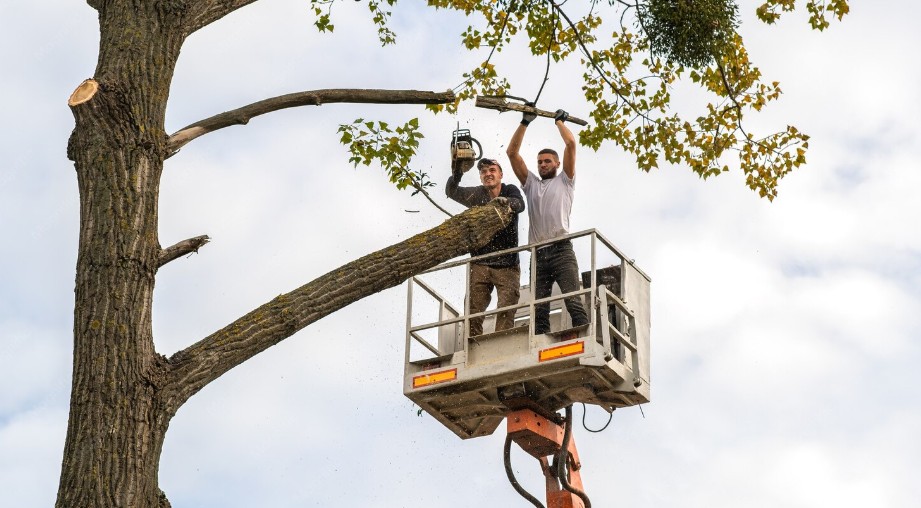
Trees shape the look of Austin. Live oaks, cedar elms, and pecans shade streets, parks, and yards across the city. Central Texas also puts hard demands on them. Limestone soils limit roots, heavy clay holds water after storms, and summer heat can top 100 degrees. A certified arborist knows how to handle these conditions. This guide explains why tree care matters in Austin, what certification means, and how to hire the right crew.
Why Tree Care Matters in Austin
Austin has a humid subtropical climate with long, very hot summers. Highs reach 90 degrees on about 123 days a year. The western part of the city sits on thin limestone soil, and thunderstorms can cause flash floods. The city also sees occasional ice storms, and the 2021 winter storm and the 2023 freeze stressed many trees. A weak limb or a stressed trunk can fall on a roof, a car, or a power line. Read More about Austin’s climate and growth.
What Certified Means
An ISA certified arborist has passed an exam from the International Society of Arboriculture. This person understands tree biology, safe pruning, and risk. Texas also has its own certified arborist programs. Certification does not replace insurance or experience, but it signals training. Ask whether a certified arborist will lead or check your job.
Austin’s Common Trees
Live oak, cedar elm, and pecan trees are common here. Each has different needs. Live oaks need careful pruning, since poor cuts can invite disease. Cedar elms handle heat well but can suffer in drought. Pecans drop heavy limbs and need regular checks.
The Oak Wilt Problem
Oak wilt is a serious fungal disease in Central Texas. It can spread through roots from one oak to another and through insects that visit fresh wounds. Many arborists advise against pruning oaks from roughly February through June, when the risk is high. If you must cut an oak in that window, ask the arborist about sealing wounds right away. If leaves turn brown and drop early, call a trained crew for an inspection.
Signs Your Tree Needs Attention
Watch for these warning signs:
- Dead or bare branches in the growing season
- Cracks or splits in the trunk
- Mushrooms or fungus near the base
- A new lean or lifted roots
- Branches that touch your roof or power lines
- Leaves that brown early or drop in spring or summer
- Limbs that hang over a driveway or play area
If you see one or more of these, ask a trained crew to take a look. Early action usually costs less than emergency work.
What a Certified Crew Does
A good crew handles many jobs:
- Structural pruning and trimming
- Tree removal for dying, leaning, or hazardous trees
- Stump grinding
- Cabling and bracing to support weak limbs
- Tree health checks and disease treatment
- Roof clearance
- Storm cleanup and emergency response
- Lot clearing for new builds
Crews use ropes, climbing gear, bucket trucks, chippers, and sometimes cranes. This work is dangerous. Do not try it on your own, especially near power lines.
Protect Trees During Construction
Austin is growing fast. Digging, grading, and heavy equipment can damage roots. If you plan building work, talk to an arborist first. A certified arborist can mark a protection zone and suggest steps to save valuable trees.
How to Hire the Right Crew
Use this checklist before you say yes:
- Ask for proof of liability insurance and worker coverage.
- Ask for the arborist’s certification number and verify it.
- Get a written estimate that lists the work, the price, and the cleanup.
- Ask whether hauling and stump grinding are included.
- Read local reviews and ask for references from nearby homes.
- Ask how the crew will protect your lawn, roof, and fence.
- Be careful with anyone who knocks on your door after a storm and asks for cash up front.
For large jobs, get at least two quotes. The lowest price is not always the best deal. A crew that cuts corners can damage your tree and your property.
Permits and City Rules
Austin has tree protection rules, including rules for large and heritage trees. Check with the City of Austin before you remove a large tree, and ask your arborist about permits. Talk to your neighbors if a tree sits on a shared line.
Protect Your Trees Between Visits
You can help your trees stay healthy. Water young trees during dry spells. Spread mulch around the base, but keep it a few inches from the trunk. Do not pile soil against the bark. Avoid cutting roots when you dig. After storms, walk your yard and check for hanging limbs.
Regular Care Saves Money
A healthy tree stands up to storms better and lives longer. A neglected tree can damage your home, your car, or a neighbor’s property. Regular care costs less than emergency removal. It also keeps your yard looking good and adds to curb appeal.
Done with the yard work? Treat yourself to a night out. Read the local’s guide to Austin, TX nightlife and entertainment for live music, late-night food, and the best districts to explore.
Austin homeowners have good reasons to care for their trees. If you need trimming, removal, stump grinding, or storm cleanup, Visit Here to Know more abour Reliable Professional Tree Services in Austin, TX and request a Free Estimate!